
Caring for Veneers: The First 30 Days and Beyond
The first 30 days after veneer delivery are critical. The resin cement bonding your veneers to your teeth is still undergoing chemical hardening, and your gums are adjusting to the new restorations. During this period, extra care prevents complications and ensures the bond fully matures. Beyond the first month, maintenance is straightforward, but understanding what veneers can and cannot tolerate prevents premature failure and extends their lifespan from 15 years to 20 years or beyond.
The First 24 Hours: Avoid Food and Staining
For the first 24 hours after veneer delivery, avoid eating or drinking anything other than clear liquids and very soft foods. The resin cement has been light-cured at the office, but it continues to chemically cure for the next 24 hours. Chewing hard or sticky foods during this time can disrupt the bond or cause the veneer to shift slightly before the cement fully hardens.
Additionally, the first 24 hours is when the cement is most prone to staining. Avoid dark beverages (coffee, tea, red wine) and dark foods (beets, berries, dark sauces) for 24 hours after placement. If the cement stains during this window, that stain can become permanent, creating a visible discoloration at the margin where the veneer meets your tooth.
Stick to soft foods like yogurt, oatmeal, scrambled eggs, soup, and mashed vegetables for the first day. After 24 hours, you can return to a normal diet, though it's still sensible to be cautious about extremely hard or sticky foods.
Sensitivity in the First Few Days
It's normal to experience some sensitivity to temperature and possibly some soreness in the tooth itself during the first few days. This sensitivity usually diminishes within a week as the nerve inside the tooth settles and your brain adapts to the presence of the restoration. If sensitivity persists beyond a week or is severe, contact your dentist.
Use a soft-bristled toothbrush and avoid the veneer area for the first 24 to 48 hours if brushing causes discomfort. After 48 hours, you can resume gentle brushing with a soft brush. Avoid aggressive scrubbing or high-pressure water picks around the veneer edges until you're sure the sensitivity has resolved.
Flossing and Gum Sensitivity
Your gums may be slightly sore or tender after veneer delivery, especially if gum work was done (contouring or grafting). Avoid aggressive flossing near the veneer sites for the first week. After a week, you can resume normal flossing, but be gentle around the veneer edges where the margin sits below the gum line.
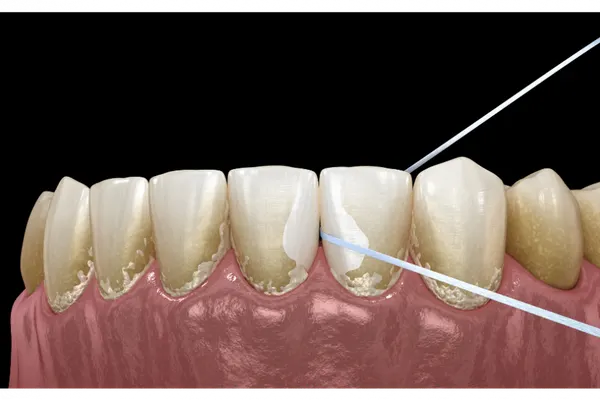
Gentle daily flossing is important for veneer longevity because plaque and bacteria can accumulate at the veneer margin and cause decay in the underlying tooth. Once decay starts beneath a veneer, you can't access it without removing the veneer. Consistent, gentle flossing prevents this problem.
Bite Adjustment and Discomfort
Your bite (how your upper and lower teeth meet) was carefully adjusted before you left the office, but your bite may feel slightly different as your brain adjusts to the new teeth. This feeling usually normalizes within a few days. However, if certain tooth contacts feel notably higher or cause discomfort when you chew, contact your dentist immediately. They can make fine adjustments to eliminate high spots that might cause long-term bite problems or damage to the restoration.
Don't wait more than a week to report bite problems. The longer you chew with an unbalanced bite, the more stress you place on the veneers and the underlying teeth, and the greater the risk of damage.
Weeks Two Through Four: Maintenance and Monitoring
After the first week, care is relatively straightforward. Continue with soft-bristled toothbrush, gentle flossing, and normal oral hygiene. Watch for any of the following during weeks two through four:
- Continuing or worsening sensitivity. Most sensitivity resolves within a week. If it persists beyond two weeks, have your dentist evaluate.
- Marginal staining (dark line at the veneer edge). Some staining at the margin can occur even after the first 24 hours if the margin is positioned where the toothbrush can't reach or if plaque accumulates there. Gentle flossing and professional cleaning can often address this.
- Veneer looseness or movement. Veneers should feel completely solid and immovable. If a veneer feels slightly loose or seems to shift when you bite, contact your dentist. Early detection of a debonding problem allows for re-bonding before the veneer becomes a larger problem.
- Visible gaps or margin problems. If you notice a visible gap between the veneer and your tooth, especially at the gum line, have your dentist evaluate it.
Long-Term Care: Daily Habits
Beyond the first 30 days, veneer care is simple and consists mainly of normal dental hygiene with a few additional considerations:
- Brush twice daily with a soft toothbrush. Veneers are stain-resistant, but plaque accumulation can cause decay in the underlying tooth. Consistent brushing prevents plaque buildup. Use a non-abrasive toothpaste to avoid scratching the surface of the veneer.
- Floss daily. Floss daily around the veneer margins to prevent decay in the underlying tooth. This is the most important long-term habit for veneer preservation.
- Avoid habits that crack teeth. Veneers are strong, but the teeth underneath them have been prepared and are thinner than natural teeth. Avoid chewing ice, opening packages with your teeth, or biting down on hard pits or nuts. These habits can crack the veneer or the underlying tooth.
- Protect your teeth during sports. If you play contact sports, wear a mouth guard. A traumatic blow can crack a veneer and require replacement.
- Consider a night guard if you grind. If you grind your teeth at night, a custom night guard distributes force more evenly and protects your veneers from stress damage. Chronic grinding can cause veneers to debond or crack prematurely.
Professional Maintenance
Schedule routine professional cleanings twice per year. Your dental hygienist will clean around the veneer margins and can spot any early signs of decay or margin breakdown. During your regular checkups, your dentist will examine the veneers, check the quality of the bond, and assess your bite.
Annual or biennial X-rays (radiographs) of the teeth with veneers are important because they reveal decay developing beneath the veneers before it becomes visible or causes symptoms. Early detection allows for treatment before decay compromises the underlying tooth.
Dietary Considerations
While veneers are stain-resistant (unlike composite bonding), they're not immune to external staining if you have rough or deteriorating margins. Ongoing consumption of dark beverages and foods won't stain the veneer itself but can stain plaque and cement at the margins, creating an appearance of staining.
There's no need to completely avoid coffee, red wine, or dark foods, but regular brushing and flossing after consuming these items prevents staining at the margins. If marginal staining develops, your dentist can polish and clean the margin during your regular cleaning appointment.
When to Return Early for Follow-Up
Contact your dentist immediately if:
- A veneer becomes loose or debonds.
- You experience severe, unrelenting tooth sensitivity or pain.
- Your bite feels significantly unbalanced or causes jaw discomfort.
- You notice a visible crack or chip in a veneer.
- You develop significant marginal staining or a visible dark line at the veneer edge.
- Your gums become very swollen or painful around the veneer.
Most of these issues are manageable if addressed early. Waiting can convert a simple adjustment into a more complex problem requiring veneer replacement.
The Long-Term Picture
Veneers that receive proper daily care and professional maintenance typically last 15 to 20 years. Some last even longer. The key factors are avoiding traumatic damage, maintaining excellent oral hygiene (especially flossing), and having professional monitoring at regular intervals. Patients who follow these guidelines report high satisfaction with their veneers and minimal need for repairs or replacement beyond the expected timeline.
The Bottom Line
The first 30 days of veneer care require extra attention, particularly avoiding hard or staining foods and monitoring for bite or sensitivity problems. Beyond the first month, care is straightforward: maintain excellent daily oral hygiene, avoid habits that crack teeth, protect your teeth during sports, and keep professional appointments. These simple habits ensure your veneers remain beautiful and durable for 15 to 20 years or beyond, making them one of the best long-term investments in cosmetic dentistry.
Ready to enjoy beautiful veneers with confidence? Schedule a post-delivery check-in with Dr. Mercado if you have questions during your first 30 days, or call (916) 448-5458.
Medical disclaimer: This article is for general educational purposes only and is not a substitute for professional dental or medical advice, diagnosis, or treatment. Individual results vary, and no specific outcome is implied or guaranteed. Always consult Dr. Mercado or another qualified healthcare provider about your specific situation. If you are experiencing a dental or medical emergency, call our office or 911.