
The Real Cost of Porcelain Veneers, Explained
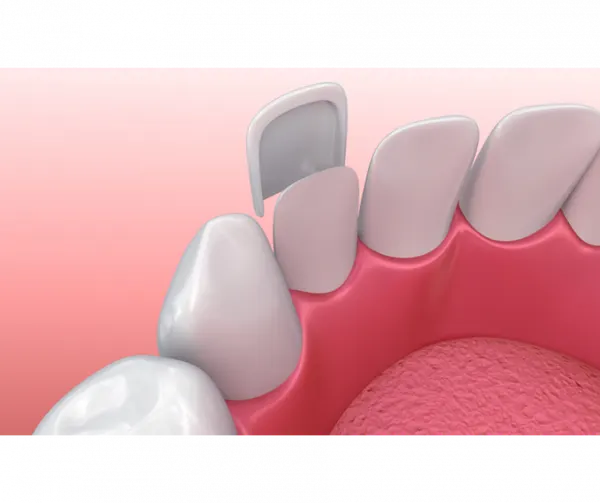
Porcelain veneers are a per-tooth investment that varies with complexity, material selection, and the practice. What you're actually paying for has less to do with retail markup and more to do with the permanent reshaping of your teeth, precision ceramics that bond at the microscopic level, and the long-term liability of the work. Understanding where that cost comes from helps you evaluate what you're actually getting.
The Material Cost vs. The Service
The ceramic blank for a single veneer costs a lab relatively little, depending on the brand and whether it's milled by machine or handcrafted. That material cost represents less than 10 percent of what you'll pay. The remaining expense covers multiple layers of clinical and technical expertise.
The tooth preparation alone requires precision that takes training and experience. Removing the correct amount of enamel and dentin, marginating the edges for the veneer to seat invisibly, and creating the ideal geometry for light reflection demands a steady hand and years of muscle memory. A veneer that's prepared even 0.1mm too deep can compromise the bond; one that's too shallow leaves a visible ledge.
After the tooth is prepared, the lab work begins. A technician takes your shade and bite registration and creates a veneer that must match not just the color of your existing teeth but also the light-handling properties of natural enamel. This is why handcrafted veneers cost more than milled ones, though both have their place depending on your specific case.
Why Price Varies Between Practices
Three practices in the same city might quote noticeably different per-tooth prices for veneers that look nearly identical in the final result. The differences usually break down like this:
- Lab fees. Luxury labs with master technicians charge 40 to 50 percent more than standard labs. For some cases, it's worth it. For others, a solid mid-tier lab delivers the same quality at lower cost.
- Overhead and rent. A high-end studio in a premium location has higher carrying costs, and those get passed to the patient. This isn't inherently bad; better real estate often correlates with better ambient lighting and ergonomic operatories.
- Diagnostic time. Some practices spend two to three hours on the diagnostic phase (photography, shade selection, digital preview, discussion of risks and alternatives). Others spend 45 minutes. Both approaches can yield good results, but the time-intensive process costs more because of labor allocation.
- Technique and material choice. No-prep veneers, which remove minimal tooth structure, cost more than traditional veneers because they require a different preparation method and often a premium lab. Porcelain made in Japan or Italy typically costs more than porcelain made domestically.
- Guarantee and follow-up. Some practices include a five-year warranty on veneers and unlimited adjustments. Others charge separately for adjustments after 30 days. These policies affect cost structure.
The Longevity Factor and Real Cost-Per-Year
A veneer that lasts twice as long costs you roughly half as much per year, even if its upfront price is somewhat higher. This is why the cheapest option upfront isn't always the cheapest option long-term.
Longevity depends on three things: the bond between the veneer and the tooth, the integrity of the ceramic itself, and your habits with the veneers. If your practice uses a proper bonding protocol (acid etching, primer, resin cement, and adequate light curing), your veneers will likely last 15 to 20 years. If they rush the bond and skip steps, you might be replacing them in seven.
The ceramic durability is partially a function of cost, but not entirely. A lower-priced and a higher-priced veneer from the lab will have nearly identical ceramic strength. The difference is usually in the aesthetic refinement and custom characterization of the material. Both will outlast a poor bond on an expensive lab case.
What's NOT Included in the Veneer Cost
Before you agree to a price, clarify what is and isn't bundled:
- Temporary veneers while the permanent ones are being made (usually included, but confirm).
- Shade adjustments if the final color doesn't match your expectations (ask if there's a grace period).
- Repair or replacement if a veneer cracks or debonds within the first year (some practices cover this; others don't).
- Adjustments to bite and contact points (important for longevity, but sometimes charged separately).
- Gum shaping or recontouring if the veneer edges don't sit well subgingivally (can be an extra cost).
Ask your dentist directly: "What happens if I'm not happy with the color when you deliver the permanent veneers?" and "If a veneer breaks within the first year, is replacement included or do I pay again?" These answers tell you a lot about their confidence in the work.
The Cost of Tooth Preparation and Irreversibility
Once your teeth are prepared for veneers, you cannot undo it. You're committing to having veneers on those teeth for the rest of your life, or at least for the next 15 to 20 years before replacement. This permanence is why the cost includes not just the materials and labor, but also the professional liability and the long-term promise inherent in the work.
A qualified cosmetic dentist prices veneers with the assumption that they will be monitored, maintained, and eventually replaced by them or another skilled dentist. If they price too low, they can't support that obligation. If they price unreasonably high, they're charging for the brand or location, not the clinical skill.
Financing and Payment Plans
Many practices offer payment plans or partner with financing companies to spread the cost over 12 to 24 months, interest-free if you qualify. This doesn't reduce the total cost, but it makes the investment more manageable. If cost is a barrier, ask about payment options before ruling out the treatment.
Some patients choose to start with one or two veneers and add more over time, spacing the investment across multiple appointments. This approach works if the first veneers are designed with the understanding that you may add more later, so they integrate seamlessly with future additions.
Comparing Veneers to Other Options
The real question isn't "Are veneers expensive?" but "Are veneers the right investment for my smile goals?" Composite bonding costs less per tooth but lasts 5 to 8 years and requires regular touch-ups. Professional in-office teeth whitening costs far less than veneers but must be repeated every 6 to 12 months. Orthodontics (Invisalign) is a larger investment but addresses alignment rather than aesthetics.
If you want a permanent, durable, predictable change to tooth color and shape, veneers are typically the most cost-effective long-term option. If you want to test whether you like a different smile before committing, composite bonding lets you do that at lower cost and lower commitment.
The Bottom Line
Porcelain veneers are an investment in permanent tooth aesthetics backed by years of laboratory skill, clinical expertise, and material science. The per-tooth cost reflects the irreversible nature of tooth preparation, the longevity of high-quality ceramic, and the professional obligation that comes with that commitment. Compare not just price but what's included, the experience of the dentist, the reputation of the lab, and the warranty offered. A detailed breakdown of costs and what's covered protects you and ensures you understand exactly what you're paying for.
Ready to explore porcelain veneers and understand the investment for your specific case? Reserve a private consultation with Dr. Mercado, or call (916) 448-5458.
Medical disclaimer: This article is for general educational purposes only and is not a substitute for professional dental or medical advice, diagnosis, or treatment. Individual results vary, and no specific outcome is implied or guaranteed. Always consult Dr. Mercado or another qualified healthcare provider about your specific situation. If you are experiencing a dental or medical emergency, call our office or 911.