
A Complete Guide to Bruxism and Night Guards
Bruxism is the involuntary grinding or clenching of your teeth. It happens mostly at night during sleep, though some people grind during waking hours when stressed. It's more common than you'd think; an estimated 8 to 10 percent of people have clinically significant bruxism. The problem is that it's often undiagnosed because you're unaware it's happening. By the time teeth show visible damage from grinding, years of wear has already occurred.
What Bruxism Does to Your Teeth
Grinding exerts enormous force on your teeth. Your jaw muscles can generate 200+ pounds of force per square inch. Normal chewing uses a fraction of this. Grinding uses the full force, repeatedly, hundreds of times per night.
Over months and years, this constant grinding causes several types of damage.
Wear and Flattening
The grinding surfaces of your teeth become progressively flatter. Natural cusps (the pointed parts of molars) wear down. Your teeth lose their natural contours. By the time the wear is obvious, significant damage has occurred.
Cracking and Chipping
Repeated grinding creates stress points where the enamel is weakest. Small cracks develop, sometimes progressing to larger cracks or chips. A large crack reaching into the dentin (the layer under enamel) causes sensitivity and pain.
Once a tooth is cracked deeply, repair options are limited. Large cracks often require crowns or extractions. Early intervention with a night guard prevents cracks from developing.
Gum Recession and Bone Loss
The force of grinding isn't distributed evenly along your teeth. It concentrates on certain teeth, creating excessive stress on the roots and surrounding bone. This stress can cause gum recession and bone loss, the same damage seen in advanced periodontal disease.
Restorations Breaking
If you have existing fillings, crowns, or veneers, grinding damages them too. Fillings break. Crowns crack. Veneers chip. If you're prone to bruxism and don't protect your teeth, any restorations you place are at higher risk of failure.
Signs and Symptoms of Bruxism
You might not know you're grinding, but signs exist.
Visible Signs
- Flat, worn occlusal surfaces (chewing surfaces) of molars
- Chips or cracks in teeth
- Shortened teeth compared to how they used to look
- Worn edges on fillings or crowns
Symptoms You Might Experience
- Jaw pain or soreness, especially in the morning
- Headaches upon waking, especially at the temples
- Ear pain or a feeling of ear fullness
- Facial pain or aching in the cheeks
- Teeth sensitivity
- Your partner hears grinding at night
The Problem of Late Diagnosis
Many patients don't experience obvious symptoms. You might not have jaw pain. Your partner might not hear grinding. But subtle wear is progressing. By the time you notice your teeth are shorter than they used to be, significant damage has already occurred.
This is why regular dental exams are crucial. Dr. Mercado can identify early signs of wear patterns consistent with grinding, even if you haven't noticed anything.
What Causes Bruxism?
The causes of bruxism are multifactorial and often not completely understood. However, several factors are associated with increased grinding.
Stress and Anxiety
Emotional stress is one of the strongest associations with bruxism. During periods of high stress, many people increase grinding frequency and intensity. The grinding is a physical manifestation of emotional tension.
Sleep Disorders
Bruxism is associated with sleep apnea, insomnia, and other sleep disorders. Poor sleep quality seems to trigger grinding. If you have a sleep disorder diagnosis, you're at higher risk for bruxism.
Stimulants
Caffeine, nicotine, and some medications increase bruxism. Amphetamines and certain antidepressants are known triggers. If you're on medications and notice grinding symptoms, discuss with your physician whether alternatives exist.
Bite Issues
Misalignment of your bite can trigger grinding. If your teeth don't meet properly, your jaw muscles work harder to achieve comfortable positions, which can manifest as grinding.
Genetics
Bruxism runs in families. If your parents grind, you're more likely to as well.
Age
Bruxism is more common in children and decreases with age, though it persists in many adults.
Night Guards: Prevention and Protection
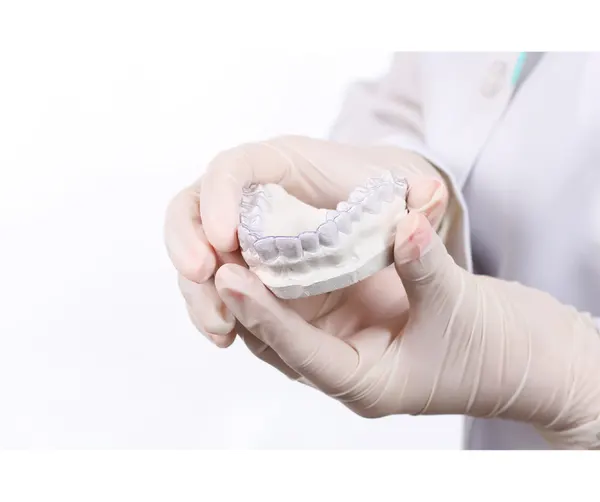
A night guard is a protective appliance you wear while sleeping. It's made from clear or white plastic and fits over your upper teeth (sometimes both upper and lower). It protects your teeth by absorbing the force of grinding and preventing direct contact between upper and lower teeth.
How Night Guards Work
When you grind, the force is applied to the night guard instead of your teeth. The guard is made from durable material that withstands repeated force. Over time, the guard itself shows wear; the idea is that you're willing to replace an affordable night guard far more readily than a costly crown.
Additionally, a properly fitted guard distributes pressure evenly across teeth, reducing the stress concentration that causes cracks and bone loss. Some guards incorporate specific design features to stabilize your jaw and reduce grinding frequency.
Types of Night Guards
Over-the-Counter Guards: Available inexpensively in drugstores. You boil them and mold them to your teeth. The problem is fit; they often don't fit well, reduce saliva and comfort, and provide inconsistent protection. They're better than nothing, but barely.
Custom-Fitted Guards Made by the Dentist: Dr. Mercado takes an impression of your teeth and sends it to a lab that fabricates a custom guard molded perfectly to your bite. These cost more but fit far better, are more durable, and are far more effective than over-the-counter guards.
Custom guards come in different thicknesses (for mild, moderate, or severe grinding) and materials (soft, hard, or hybrid). The right choice depends on the severity of your bruxism and your comfort preferences.
Soft vs. Hard Guards
Soft guards (made of flexible material) are comfortable and good for mild-to-moderate grinding. Hard guards (made of rigid material) are more durable and better for severe grinding. Hybrid guards (soft on the surface, hard underneath) combine advantages of both.
Dr. Mercado will recommend the appropriate type based on your grinding severity and your preferences.
Fitting and Adjustment
When your custom guard is ready, you'll try it on and Dr. Mercado will adjust it for fit and comfort. You should be able to speak clearly, breathe through your nose, and feel that it's stable. It should feel snug but not painful.
You might need a few adjustments over the first week or two as your mouth adapts to the guard. Contact the office if it's uncomfortable or loose.
Maintaining Your Night Guard
A night guard requires simple care to last years.
- Clean it daily: Rinse after removing, brush gently with a soft toothbrush, and soak weekly in denture cleaner or a mild soap solution.
- Dry it before storing: Store in a dry case to prevent bacterial growth or mold.
- Avoid heat: Don't expose it to hot water or heat, which can warp it.
- Check for damage: Periodically inspect for cracks or wear. If you see damage, contact the office.
- Replace as needed: Most guards last 3 to 10 years depending on grinding severity and material. If it becomes worn or cracked, it's time for a new one.
Beyond Night Guards: Reducing Grinding
While a night guard protects your teeth, addressing the underlying cause of grinding is ideal.
Stress Management
Yoga, meditation, therapy, or other stress-reduction techniques can reduce grinding frequency. Even simple habits like jaw relaxation exercises before bed help some people.
Sleep Improvement
Better sleep hygiene (consistent sleep schedule, dark quiet room, avoiding screens before bed) can reduce grinding associated with poor sleep quality.
Avoiding Stimulants
Reducing caffeine and nicotine, especially in the evening, sometimes decreases grinding.
Bite Correction
If a misaligned bite is contributing to grinding, orthodontic treatment (Invisalign) or bite adjustment might help. However, this approach is longer-term and doesn't replace a night guard as immediate protection.
The Bottom Line
Bruxism causes progressive, permanent damage to your teeth. Without intervention, years of grinding results in shortened teeth, cracked teeth, failed restorations, and bone loss. A night guard is simple, affordable, and highly effective protection. If you're grinding, a custom-fitted night guard from Dr. Mercado is an investment in preserving your teeth for life. The cost of a guard is trivial compared to the cost of repairing grinding damage.
Concerned about grinding? Reserve a consultation with Dr. Mercado, or call (916) 448-5458.
Medical disclaimer: This article is for general educational purposes only and is not a substitute for professional dental or medical advice, diagnosis, or treatment. Individual results vary, and no specific outcome is implied or guaranteed. Always consult Dr. Mercado or another qualified healthcare provider about your specific situation. If you are experiencing a dental or medical emergency, call our office or 911.