
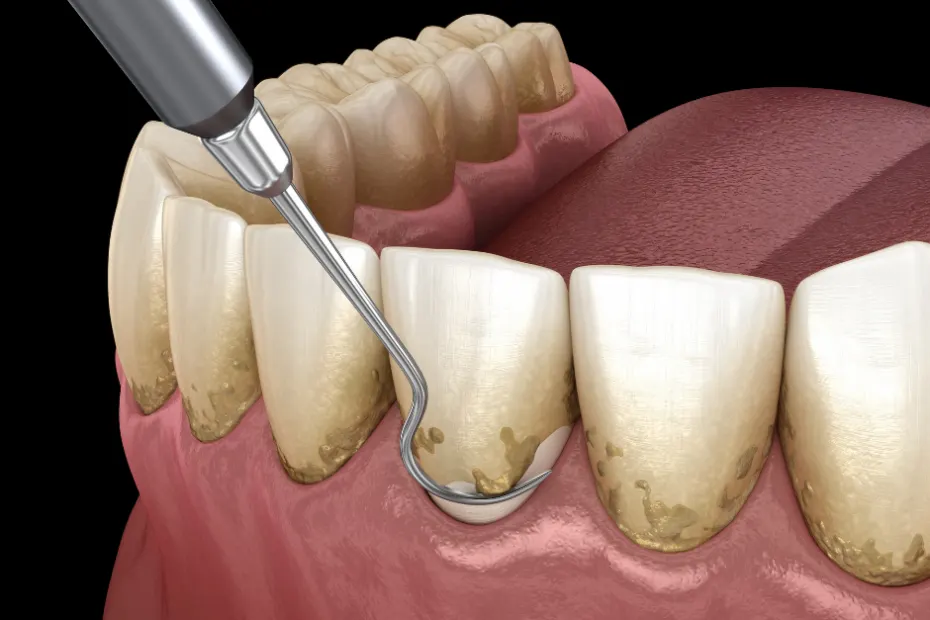
A Practical Gum Recession Prevention Guide
Gum recession is the gradual movement of your gum tissue away from your teeth, exposing the root surface underneath. It's one of the most common gum problems, affecting roughly one third of people. The concern isn't just esthetic (exposed roots look unattractive); recession causes tooth sensitivity, makes teeth harder to clean, and increases decay risk. The good news is that recession is largely preventable. Understanding the causes and adopting specific habits dramatically reduces your risk.
Why Gum Recession Happens
Gum recession results from breakdown of the attachment between your gum tissue and your tooth. This breakdown is caused by a combination of factors.
Gum Disease
Periodontitis (advanced gum disease) causes gum recession as the infection damages the tissues holding your teeth in place. If you have a history of gum disease, you're at higher risk for recession. Prevention and treatment of gum disease is crucial.
Aggressive Brushing
Brushing your teeth with hard force or a hard-bristled toothbrush traumatizes gum tissue. Over years, this trauma causes recession. This is one of the most modifiable risk factors; simply changing your brushing technique prevents this type of recession.
The correct brushing technique uses a soft-bristled toothbrush and gentle circular motions. You should be able to feel that the brush is on your teeth and gums, but you shouldn't feel scrubbing force. Let the brush do the work; you control the positioning.
Teeth Grinding (Bruxism)
The excessive force from grinding overloads your teeth and surrounding tissues. This stress concentrates at the roots and can cause gum recession. Managing bruxism with a night guard reduces this risk.
Bite Trauma from High Spots
If your bite has a high spot (a point where one tooth contacts with more force than others), the excessive force on that tooth can cause localized recession. Bite correction, sometimes just adjusting the high spot, helps.
Periodontal Anatomy
Some people have inherently thin gum tissue or thin bone under their gums. These patients are at higher risk for recession even with good oral hygiene. The risk is genetic and not fully preventable, but awareness helps; these patients benefit from extra caution.
Smoking
Smoking impairs gum healing and increases your risk for gum disease, both of which increase recession risk. Smoking is one of the worst things for your gums.
Hormonal Changes
During pregnancy or menopause, hormonal changes can make gums more vulnerable to disease and recession. Extra attention to gum health during these periods helps prevent problems.
Harsh Chemicals
Excessive use of acidic mouthwashes or some whitening products can irritate gum tissue. Using these products as directed is important.
Signs of Gum Recession
Recession progresses gradually, so early detection is valuable. Signs include:
- Teeth appearing longer than they used to
- Exposed root surface that looks yellowish or darker than the crown of the tooth
- A notch at the gum line where recession is occurring
- Tooth sensitivity, especially to cold or brushing
- Gum sensitivity or discomfort
If you notice any of these, mention it to Dr. Mercado at your next appointment. Early intervention can sometimes halt recession before it progresses further.
Practical Prevention Strategies
Brush Correctly
This is the single most important preventive strategy. Use a soft-bristled toothbrush and gentle pressure. Position the brush at a 45-degree angle where your gum and tooth meet. Use small circular motions. Avoid horizontal scrubbing. Spend two minutes total, reaching all areas.
Electric toothbrushes with gentle settings (like Sonicare or Oral-B models designed for sensitive gums) are excellent because they provide consistent gentle pressure without variation.
Floss Daily but Gently
Flossing removes plaque from areas a toothbrush can't reach. However, aggressive flossing (forcing floss into the gum line or using harsh sawing motions) causes trauma. Use a gentle motion, guide the floss below the gum line, and use a curved motion rather than aggressive up-and-down motion.
If traditional floss is difficult, a water flosser or interdental brush provides the benefit of cleaning between teeth with less trauma risk for people prone to recession.
Address Grinding with a Night Guard
If you grind or clench, a night guard reduces the excessive force that stresses your teeth and gums. This is especially important if you already have recession.
Correct Your Bite if Indicated
If orthodontists have mentioned bite problems or if you have an obvious high spot, addressing this helps. Sometimes just adjusting the high spot relieves stress. Sometimes orthodontic treatment aligns your bite properly. Ask Dr. Mercado whether bite correction makes sense for your situation.
Quit Smoking
Smoking is terrible for your gums. If you smoke, quitting is one of the best things you can do for your periodontal health and your recession risk.
Manage Gum Disease
Plaque and tartar accumulation triggers gum disease. Regular professional cleanings and excellent home care keep your gums healthy. If you have a history of gum disease, more frequent cleanings (3 to 4 times yearly instead of twice) are often recommended.
Avoid Harsh Tooth Whitening
Over-the-counter whitening products with very high peroxide concentrations can irritate gums. Professional whitening (like KöR whitening) uses appropriate concentrations and protective measures. If you're prone to recession or gum sensitivity, discuss whitening options with Dr. Mercado rather than using aggressive over-the-counter products.
Be Gentle During Illness
During illness or periods of immune compromise, gum health can suffer. Maintain especially careful oral hygiene and gentleness during these times.
Protecting Exposed Root Surfaces
If you already have mild recession and exposed roots, protection prevents further problems.
Fluoride Application
Professional fluoride treatments at the dental office strengthen exposed root surfaces and reduce sensitivity. These can be done 2 to 4 times yearly if needed.
Sensitivity Toothpaste
Toothpaste for sensitive teeth (containing potassium nitrate or other desensitizing agents) can reduce the discomfort of exposed roots when used regularly.
Gum Graft (For Severe Recession)
If recession is extensive (exposing more than 3-4mm of root), a gum graft might be recommended. This surgical procedure takes gum tissue from another area (usually the roof of your mouth) and grafts it to the recessed area. It's effective at restoring gum coverage and protecting roots, but it's invasive and expensive. Prevention through the strategies above is far better than needing a graft later.
When to Seek Treatment
You should contact Dr. Mercado if:
- You notice your gums receding or your teeth appearing longer
- You develop root sensitivity that persists despite using sensitivity toothpaste
- You see visible root exposure that concerns you esthetically
- You have gum disease (bleeding gums, swelling, bad taste)
- You're experiencing any gum discomfort
Early intervention often prevents progression and avoids the need for more invasive treatment later.
The Bottom Line
Gum recession is preventable through gentle oral care, management of grinding, control of gum disease, and smoking cessation. Brush and floss gently, address clenching with a night guard, maintain gum health, and see your dentist regularly. These simple habits protect your gums and keep your teeth covered and healthy for life. If recession is already present, early intervention slows or stops progression.
Concerned about gum recession? Reserve a consultation with Dr. Mercado, or call (916) 448-5458.
Medical disclaimer: This article is for general educational purposes only and is not a substitute for professional dental or medical advice, diagnosis, or treatment. Individual results vary, and no specific outcome is implied or guaranteed. Always consult Dr. Mercado or another qualified healthcare provider about your specific situation. If you are experiencing a dental or medical emergency, call our office or 911.