
Implant Bone Grafting, Explained
Bone grafting before a dental implant is one of those steps patients fear more than the implant itself, usually because of language. The word "graft" suggests something that wasn't there before, which is technically true but emotionally misleading. Most grafts are a teaspoon of allograft particulate (processed donor bone, sterilized and acellular) packed into the socket of an extracted tooth, covered with a collagen membrane, and given four months to mature into the patient's own bone. The procedure adds about ten minutes to a routine extraction visit. It's not dramatic. It's not a major surgical undertaking. It's simply a deliberate step to preserve the bone you have and prevent bone loss that would complicate implant placement later.
Why Your Jawbone Changes After Tooth Loss
Teeth aren't just anchored to your jaw by strong fibers. They're held in place by living bone that's constantly being remodeled in response to the forces your teeth generate. When you chew, bite, and speak, you're transmitting force through your teeth into the bone, signaling the bone to maintain its density and mass.
When a tooth is lost, that signal stops. No more force is transmitted into the bone where that tooth used to be. Within weeks, your body begins resorbing the bone that's no longer being used. A year after tooth loss, you can lose up to 25 percent of the bone width in that area. By the time you're ready to place an implant two or three years later, the bone may be insufficient to support the implant fixture.
This is why bone grafting at the time of extraction is so effective: it halts the resorption process by providing a scaffold for your body to integrate. Over four months, your body replaces the graft material with your own living bone. When you return for implant placement, the bone is there.
Bone Resorption Pattern
Bone resorption happens more dramatically in the first six to twelve months after tooth loss. The resorption continues but at a slower rate in subsequent years. This is why timing matters: the sooner you graft after extraction, the more bone you preserve, and the more options you have later for implant placement.
Types of Bone Graft Material
Not all graft material is the same. Dr. Mercado uses materials that are evidence-based and have demonstrated predictability over decades.
Allograft (Donor Bone)
Allograft is processed bone from human donors. It's sterilized using advanced techniques that eliminate disease risk while preserving the structural properties of bone. It's acellular, meaning the donor cells are removed; you're receiving only the mineral scaffold, which your body's own cells will populate.
Allograft is popular because it's readily available, reliable, and cost-effective. It serves as an excellent scaffold for your body's own bone formation. Many dental bone grafts use allograft exclusively or in combination with other materials.
Autograft (Your Own Bone)
Autograft is bone harvested from another site in your body, often the back of your lower jaw or the chin. It's the "gold standard" because it contains your own living cells, which accelerate new bone formation. However, it requires a second surgical site and additional healing time. It's typically reserved for larger grafts or cases where maximum bone generation is critical.
Xenograft (Animal Bone)
Xenograft is processed bone from animals, most commonly bovine (cow) sources. Like allograft, it's sterilized and serves as a scaffold. It's less expensive than autograft and more widely available than some other options. It's frequently used in combination with allograft or other materials.
Synthetic Materials
Synthetic bone substitutes made from calcium phosphate or other biocompatible materials are available. They're reliable, consistent, and don't depend on donor availability. Some practitioners prefer them; others use them in combination with biologic materials.
Dr. Mercado selects graft material based on your specific case: the size of the defect, the timeline for implant placement, and your preferences regarding material sourcing. For most cases, allograft alone or in combination with a collagen membrane is predictable and effective.
The Grafting Procedure
Bone grafting at the time of extraction is straightforward. After your tooth is removed, Dr. Mercado will inspect the socket, remove any granulation tissue or debris, and assess the amount of bone present. If adequate bone height and width remain, the socket might heal fine without grafting. If bone loss is likely (and in most cases, it is), the graft is placed.
The graft material is packed into the socket, sometimes mixed with your own blood to enhance integration. A collagen membrane, a thin barrier that's slowly resorbed by your body, is placed over the graft to protect it and contain the material. The extraction site is then closed with sutures.
If grafting is being done weeks or months after tooth loss, additional preparation is needed. Dr. Mercado might need to elevate a small flap to access the bone defect, prepare the socket, place the graft material, cover it with a membrane, and close the flap. This takes 30 to 45 minutes depending on the size and complexity of the defect.
What You Feel During the Procedure
You'll be numb throughout the grafting procedure. You'll feel pressure and hear some sounds as the tooth is extracted and the graft is placed, but no pain. Most patients report that the grafting portion is barely noticeable; they're more aware of the extraction than the grafting that follows.
Healing and Integration
After grafting, you'll have some swelling and mild discomfort, similar to extraction alone, perhaps slightly more pronounced. You'll take antibiotics to reduce infection risk, follow careful oral hygiene instructions, and avoid the surgical site for the first week.
Over the next four to six months, your body's cells migrate into the graft, slowly replacing the graft material with your own living bone. This process, called osseointegration when applied to implant placement, is here being applied to bone formation. Four months is the typical timeline, though integration continues beyond that.
During this integration phase, you must protect the grafted site. No smoking (nicotine constricts blood vessels and impairs healing). No aggressive rinsing or flossing in the area. No hard foods that might disturb the site. No sucking on the site with your tongue. These restrictions sound restrictive, but they're temporary and necessary.
Monitoring Integration
You'll have follow-up appointments at 2 weeks, 4 weeks, and sometimes 8 weeks to monitor healing. If you're planning an implant, Dr. Mercado will take a cone beam CT scan at the 4-month mark to assess bone density and dimensions. If bone integration is adequate, implant placement is scheduled. If more time is needed, you wait a bit longer; there's no harm in allowing additional integration.
Implant Placement After Grafting
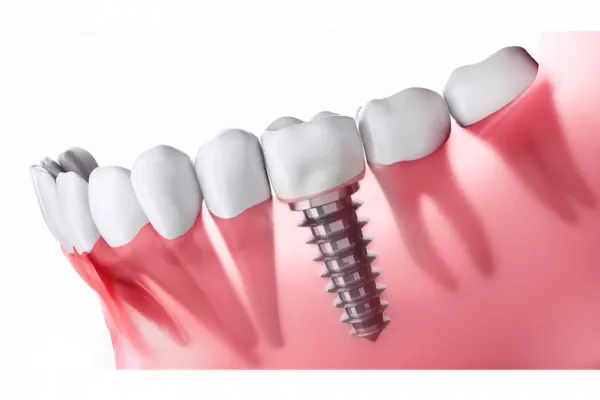
Once the graft has integrated, placing an implant is straightforward. The bone is now yours; it will integrate directly with the implant fixture through a process that takes 3 to 6 months. The timeline from bone grafting to restored tooth is typically 8 to 10 months, though this varies based on individual healing and the implant's specific protocol.
The beauty of grafting is that it transforms an impossible situation (insufficient bone for an implant) into a routine one. Without the graft, you'd need either sinus lift surgery, advanced techniques like distraction osteogenesis, or extractions elsewhere to harvest autograft. With grafting at extraction, the path forward is simple.
Complications Are Rare
Bone grafting has been performed for decades. Infection is uncommon (antibiotics reduce risk further). Allergic reactions to allograft material are virtually unheard of (the material is processed to eliminate cellular components). The graft material being extruded or displaced is rare if post-operative instructions are followed.
The most common "complication" is inadequate integration, where the graft doesn't integrate fully. However, this is often detected early at your follow-up CT scan, and if needed, additional grafting can be done before implant placement. Re-grafting doesn't mean starting over; it means adding to what's already integrated.
Cost and Insurance Considerations
Bone grafting at extraction adds a modest cost to the extraction fee, depending on the graft material and size of the defect. This is far less expensive than dealing with bone loss later and needing complex surgical solutions.
Many dental insurance plans cover a portion of bone grafting, especially if it's medically necessary to support subsequent implant therapy. Review your plan or discuss coverage with the office before the procedure.
The Bottom Line
Bone grafting at the time of extraction is a simple, predictable step that prevents bone loss and simplifies future implant placement. It sounds more dramatic than it actually is. If you're having a tooth extracted and considering an implant in the future, ask Dr. Mercado about grafting. It's a small decision that makes a significant difference in your long-term implant success and your quality of life.
Considering dental implants in Sacramento? Reserve a private consultation with Dr. Mercado, or call (916) 448-5458.
Medical disclaimer: This article is for general educational purposes only and is not a substitute for professional dental or medical advice, diagnosis, or treatment. Individual results vary, and no specific outcome is implied or guaranteed. Always consult Dr. Mercado or another qualified healthcare provider about your specific situation. If you are experiencing a dental or medical emergency, call our office or 911.